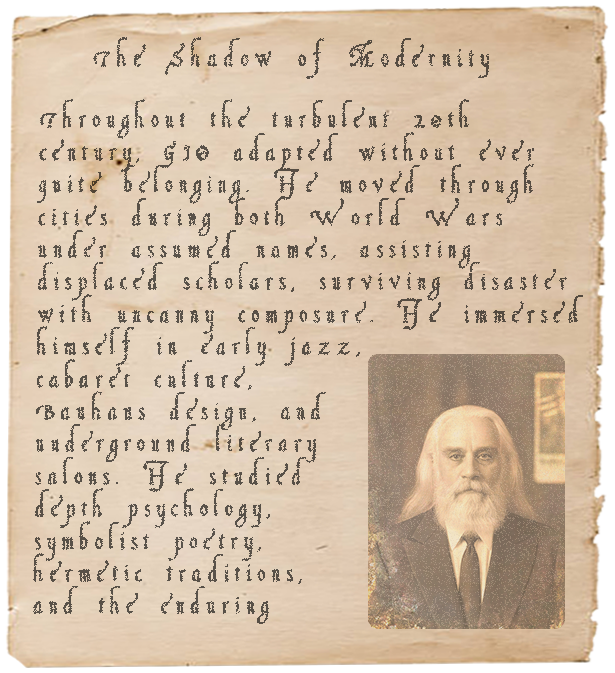
Giordano Paulo Orsini, known simply as GIO, carries a presence that feels borrowed from another century, or perhaps several. Born April 17, 1458, in a small Umbrian town steeped in medieval superstition and the fading memory of ancient Rome, he was orphaned before memory could take hold. His mother died bringing him into the world on the same day he entered it. His father, a soldier, was killed in Naples just months later, caught in the chaos of the Baronial Revolt following the death of Alfonso V of Aragon. He was in the wrong place at the wrong moment in history. His son never knew him.
By the end of 1458, there was a double-orphaned Orsini infant in Umbria with no one left. He was sent north to Florence, into the household of his cousin Rinaldo Orsini, Bishop of Florence.
Florence: The Formation
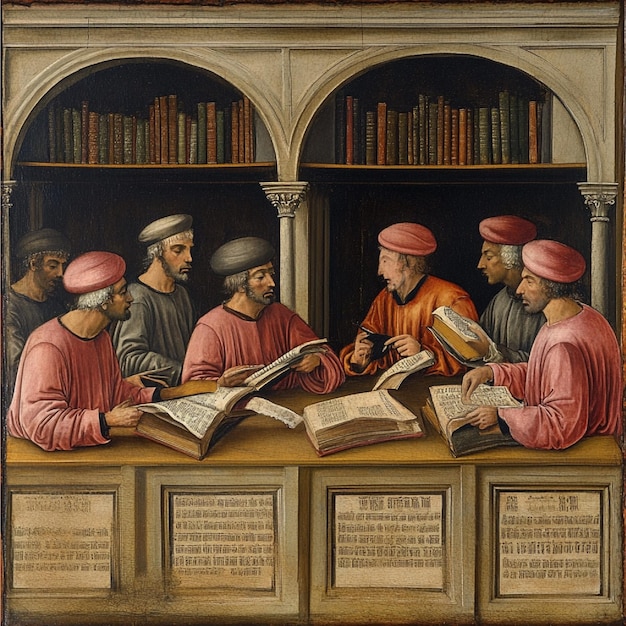
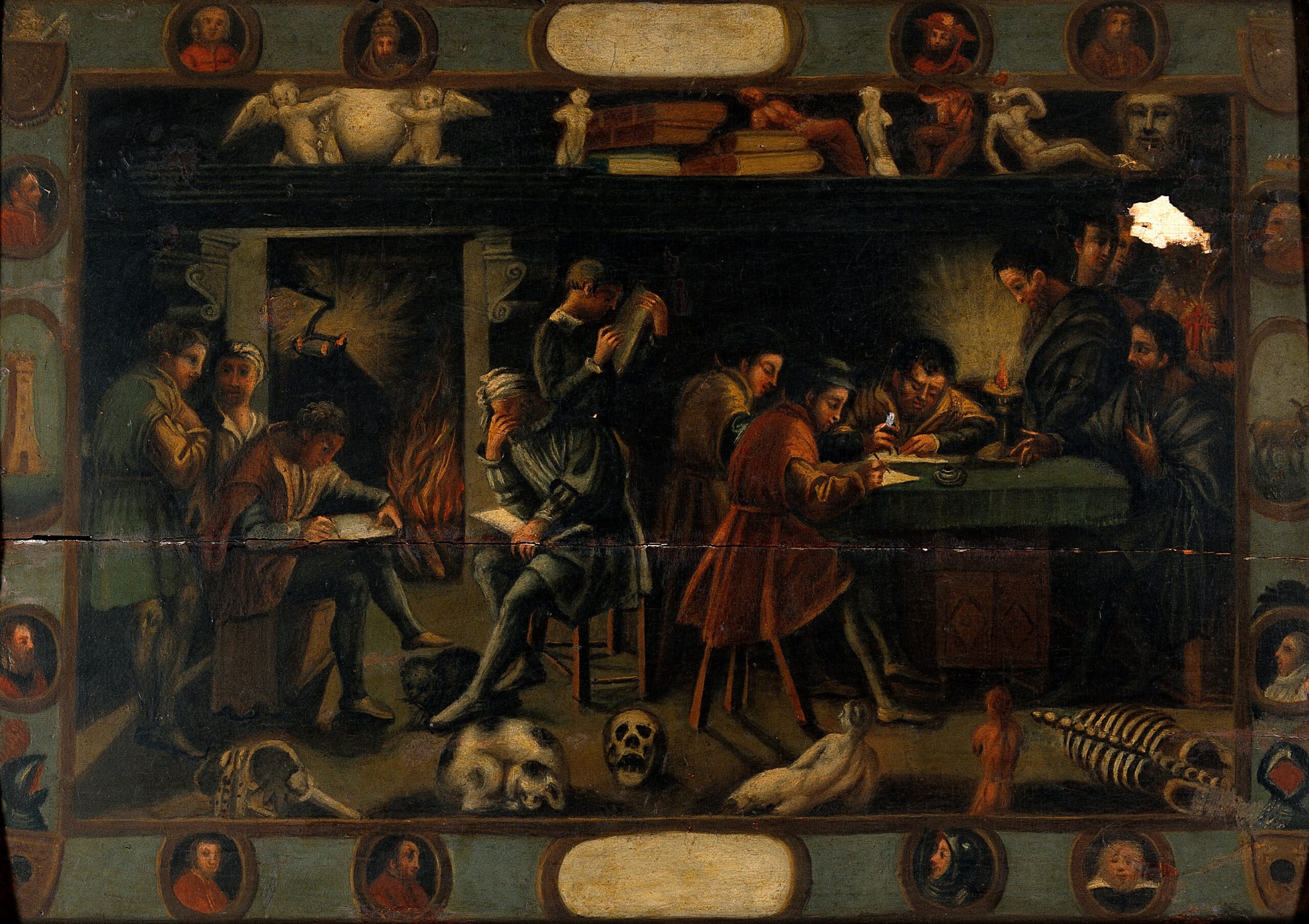
Bishop Rinaldo moved in powerful circles, a relative of Clarice Orsini who had married Lorenzo de’ Medici in 1469, and through those ties young Giordano entered the beating heart of the Renaissance just as it ignited. He studied poetry, rhetoric, classical texts, music theory, draftsmanship, and fresco technique. He questioned theology from the beginning and without apology.
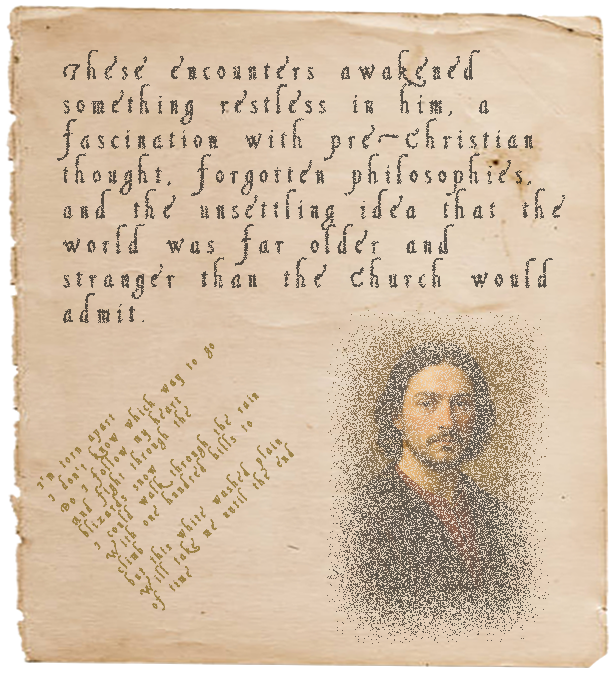
He moved through circles touched by greatness. Leonardo da Vinci was not yet thirty when Giordano arrived in Florence, already working in Verrocchio’s workshop, already the most unsettling intelligence in any room he entered. They found in each other a particular kinship, two minds that could not accept the boundaries placed around knowledge. Leonardo was perhaps the first person Giordano trusted completely. He moved in the Medici court alongside Botticelli, whose mythological allegories seemed to Giordano to be reaching for something older than the Christian tradition would admit. He sat in the same rooms as Ficino, Poliziano, and Pico della Mirandola, whose Oration on the Dignity of Man described a philosophy Giordano had been living since childhood without having words for it. He encountered a young Michelangelo in the workshops of the city, fiery and furious and already extracting things from stone that had no business being in there. Ghirlandaio painted the world around them. Lorenzo de’ Medici, patron and protector of all of it, wrote his own poetry and understood that beauty was a form of power.
The young Machiavelli was also a presence in those Florentine years, watching the machinery of politics with the same cold attention Giordano brought to the machinery of faith. They would not have called each other friends. They would have recognised each other.
The Condemnation
Around 1473, when Giordano was fifteen, the tension with Bishop Rinaldo reached its breaking point. He had read every forbidden book he could find, questioned every doctrine, and refused to kneel at the altar of a faith he had already seen weaponized for power, sex, and wealth. Rinaldo called him abomination. Called him damned. Called him a heretic and a lost soul.
He was fifteen years old. He had not asked for their approval. He had never wanted their salvation. But when the only family you have ever known looks you in the face and calls you evil, the brand burns. Five hundred years have not cooled it.
He remained in Florence nonetheless, moving through Lorenzo’s court as a poet for nearly two more decades, carrying the condemnation like a stone in his chest. In April 1492, Lorenzo de’ Medici died. The world that had sheltered him collapsed. He left Florence before dawn and did not return.
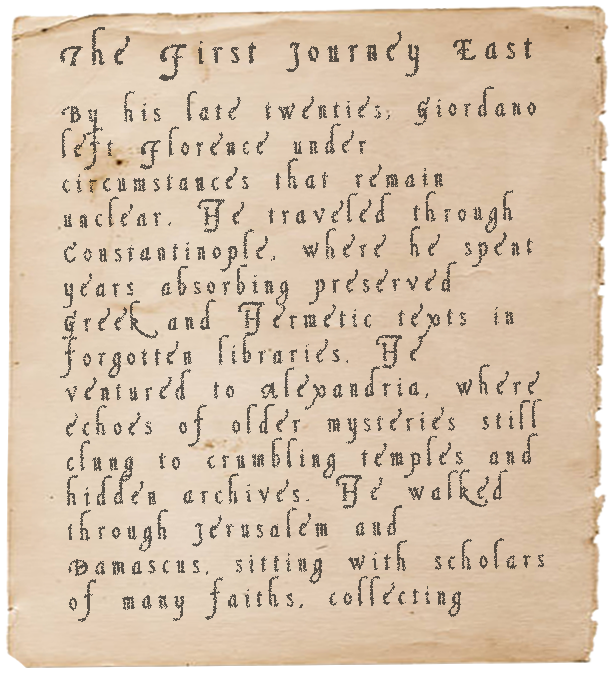
The Journey East
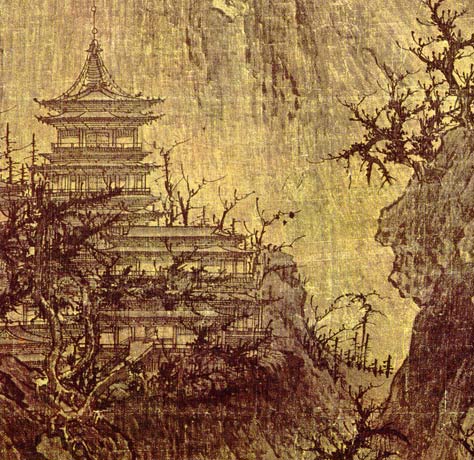
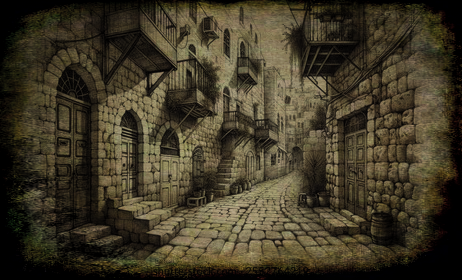
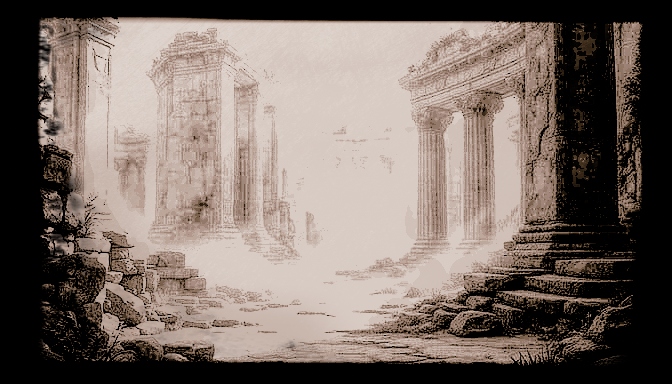
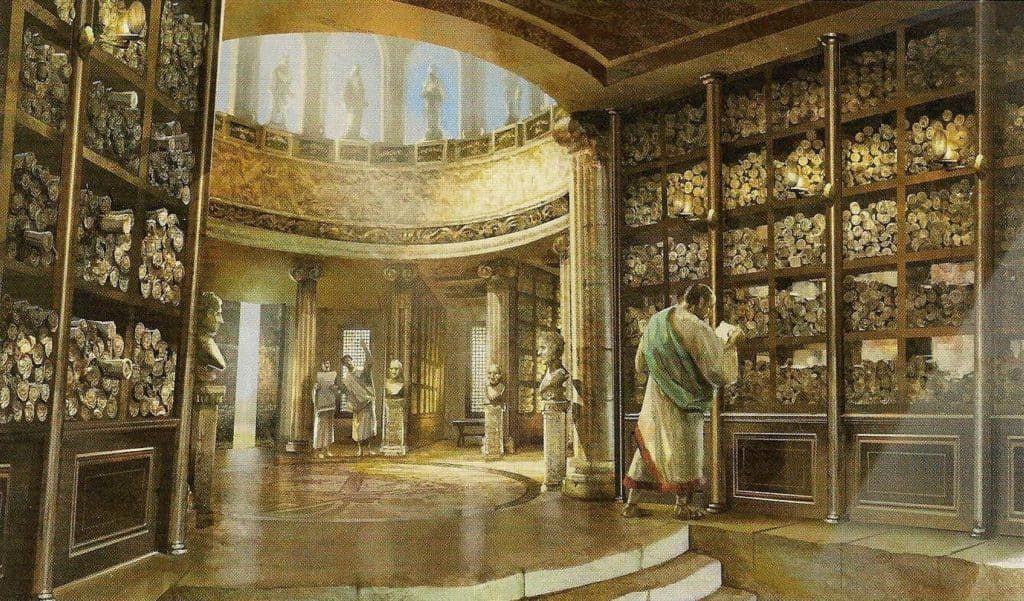
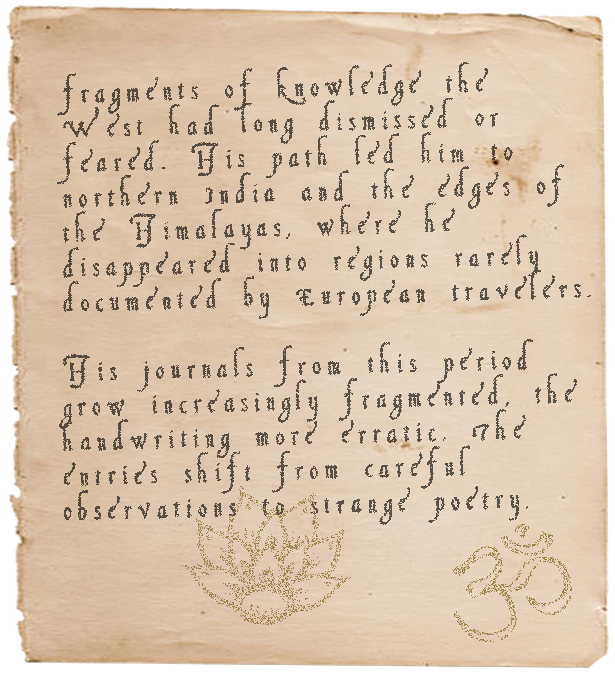
He traveled without a fixed destination. Constantinople first, where he spent years absorbing preserved Greek and Hermetic texts in libraries European scholars rarely reached. Then Alexandria, Jerusalem, Damascus. His path led eventually into northern India and to the edges of the Himalayas, where he disappeared into regions rarely documented by European travelers.
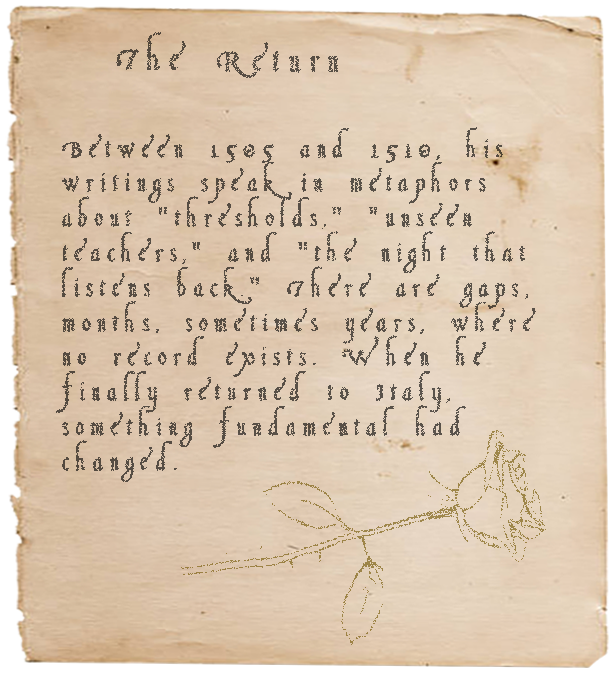
The journal entries from 1505 to 1510 speak almost entirely in metaphor. Thresholds. Unseen teachers. The night that listens back. Around 1510, somewhere in the high reaches of the mountains, something happened. The journals do not name it. He returned to Italy changed.
By then approximately fifty-two years old, already fully grey-haired, already grey-bearded, the aging stopped. The grey locked in permanently. His health became unusually resilient. Wounds healed with unnatural speed. And every wound he had carried since Umbria, since the condemnation at fifteen, was locked in alongside the grey. Immortality, as he came to understand it, does not heal. It preserves. It accumulates.
The Return: Italy and the High Renaissance
He returned to Italy around 1515 and found Leonardo in Rome, older, his left hand no longer reliable for painting but still drawing constantly with his right. Leonardo looked at Giordano’s unchanged face for a long time and then said, in the tone of a man revising a hypothesis, that he had suspected something of the kind was possible. He asked to examine Giordano’s eyes. Giordano allowed it. Leonardo made drawings. Giordano made him burn most of them. When Leonardo left for France in 1516 at the invitation of Francis I, they parted as men do who believe they will meet again. Leonardo died in Amboise in 1519. Giordano was in Venice when the news arrived and sat with it for three days.
In Rome he moved in the circle of Raphael Sanzio, thirty-two years old and the most celebrated painter in the city, working simultaneously on the Vatican frescoes and more commissions than any reasonable man could fulfil. Raphael died on his thirty-seventh birthday in 1520. Giordano stood in the crowd outside the Vatican and felt the particular grief of watching genius extinguished before it finished what it came to do.
Caravaggio he knew briefly in Rome in the years around 1605 to 1610, a man whose paintings contained more darkness than the Church that commissioned them could comfortably acknowledge, and whose life moved toward catastrophe with the same velocity as his art moved toward revelation. Giordano watched him from a careful distance. Some people generate a gravity that pulls everything around them toward ruin, and Giordano had learned to recognise it.
In Venice, across decades from the 1520s onward, he maintained a long connection with Titian, the one genius he watched survive to old age with his gifts intact. Titian painted him once around 1535 under a false name, describing Giordano’s eyes in a surviving letter as containing too many rooms. Giordano acquired the portrait in the 17th century. He still has it. In Venice he also moved in the world of Claudio Monteverdi, whose operatic innovations in the early 1600s seemed to Giordano to be doing with music what Leonardo had done with anatomy, revealing something true about interior life that no previous language had reached.
The Baroque Century
Across the 17th century Giordano moved through the artistic capitals of Europe with the discipline he had learned was necessary for survival. He was in London during the years of Shakespeare and Marlowe and Ben Jonson, drawn to the theaters not as a casual spectator but as someone recognising in the stage a machine for telling truths that could not otherwise be spoken aloud in public. He was in Madrid in the years of Velázquez, whose portraits seemed to him the most honest record of power and its weight that any painter had yet produced. He was in Antwerp in the orbit of Rubens, in Delft in the quiet world of Vermeer, in Paris in the company of Molière, whose comedies dissected the gap between how people presented themselves and what they actually were with a precision Giordano found professionally relevant.
In Amsterdam in the 1630s he encountered Rembrandt van Rijn and recognised immediately, in the refusal to flatter, in the insistence on showing the weight that faces carry, someone seeing the world at the same angle he did. He attended Rembrandt’s workshop on several occasions, watched the self-portraits accumulate across decades into one of the most unflinching records of human aging ever assembled. A man documenting his own face changing year by year, refusing to look away. Giordano, whose face would never change again, found this both alien and devastating. He bought several of the late paintings through intermediaries. He still has them.
John Milton was writing in England during these years, his epic vision of paradise lost and the cost of knowledge speaking directly to everything Giordano had concluded about the relationship between institutional religion and human freedom. He read Paradise Lost when it appeared in 1667 and found it the most accurate document of his own experience that any writer had yet produced, which was a complicated feeling for a man who had been present for the world the poem described.
The Enlightenment
The 18th century found Giordano navigating a Europe increasingly drunk on reason, which was an improvement on being drunk on faith but carried its own variety of blindness. He was in Paris in the orbit of Voltaire and Rousseau, whose arguments about religion and human nature covered ground he had surveyed from the inside for two centuries. He was in Venice during the years of Vivaldi, whose concerti seemed to channel something of the city itself, beautiful and slightly decaying and aware of both. He was in London during the years of Handel, whose oratorios used the musical language of worship to say things the Church would not have approved of if it had listened more carefully.
In Leipzig between 1725 and 1740 he made the journey specifically to hear Johann Sebastian Bach, having received reports of the organ work that suggested something worth traveling for. The reports were accurate. He sat in the Thomaskirche and experienced what he had not felt since Leonardo showed him an early anatomical drawing in Florence: a human mind operating at the absolute limit of what a human mind could do. He sat in the back and left without speaking to anyone. Some encounters need nothing more than that.
In Vienna he knew Antonio Salieri before he knew Wolfgang Mozart, which is the opposite of how history has framed that relationship. Mozart he met in 1783 and recognized immediately as the kind of intelligence that burns at whatever temperature it burns at regardless of consequences. He attended the premiere of Don Giovanni in Prague in 1787. Mozart died in December 1791 at thirty-five. He watched the rumours attach themselves to Salieri’s name afterward and found the whole thing a precise illustration of how history works, in the direction of the most dramatic narrative rather than the most accurate one. Haydn he regarded with enormous respect, the craftsman who built the house that everyone else lived in.
Goethe he encountered in Weimar in the 1790s, a man who seemed to understand that literature could contain multitudes without resolving them, whose Faust described the particular bargain with knowledge that Giordano recognised from the inside. Casanova he met in Venice in the 1780s and found him entertaining, superficial, and possessed of a genuine intelligence he had learned to disguise as something less threatening. They had, on one evening, a conversation about the nature of time that Casanova later wrote down incorrectly in his memoirs, which Giordano found both irritating and, in retrospect, useful.
The Romantics
The Romantic movement was the first cultural moment in three centuries that felt personally addressed to him. He was in Spain during the years of Goya, whose late black paintings seemed to document the interior of a mind that had seen too much and could no longer pretend otherwise. He was in England during the years of Turner, whose landscapes dissolved solid matter into light and atmosphere in ways that suggested the painter understood impermanence better than most philosophers. He encountered Beethoven in Vienna and found him the most complete argument he had ever met against the idea that deafness was an obstacle to hearing what actually mattered. He was in Paris during the early career of Delacroix, whose Liberty Leading the People he watched being painted and found simultaneously magnificent and precisely wrong about how liberation actually works.
He met Wordsworth and Coleridge briefly in the Lake District in 1802, introduced through a scholarly connection, and found Wordsworth too devoted to the consolations of nature and Coleridge too devoted to the consolations of opium, though he respected both of them for reaching toward something real. Keats he encountered in Rome in the winter of 1820 to 1821, a young man dying of tuberculosis in rooms near the Spanish Steps, still writing with an urgency that made his deteriorating body seem like an administrative detail. Keats died in February 1821 at twenty-five. Giordano attended the burial in the Protestant Cemetery in Rome. He has visited the grave since.
He arrived in Geneva in autumn 1816, three weeks after the famous summer at Villa Diodati had ended, and met Percy Shelley through a mutual contact in the city. They spent a week in extended conversation about Plato, political revolution, and the nature of the soul. Percy was twenty-four and already moving at a speed that suggested he was working against a deadline he had not been told about. Giordano met Mary Godwin briefly before she and Percy left for England. When Frankenstein appeared in 1818 he read it and recognised something in the creature’s condition that was not entirely comfortable to recognise. Percy Shelley drowned in the Gulf of Spezia in July 1822 at twenty-nine. Giordano was in Florence when the news arrived.
Byron he encountered in Venice in 1817, already the most famous poet in Europe and already in the process of destroying himself with considerable thoroughness. Byron was performing the Gothic. Giordano was living it. There was a conversation early in their acquaintance that Byron wrote about in a letter afterward, describing Giordano as a man who seemed to find the idea of immortality genuinely funny, though not in a way that was entirely reassuring. Byron died fighting for Greek independence in 1824 at thirty-six.
He read Chopin’s nocturnes when they were published and found in them what he had heard in Bach and Mozart before, a mind reaching the edge of what the form could contain and pressing through it anyway. He attended concerts of Berlioz in Paris and found them overwhelming in the specific way of things that are trying to describe everything at once. He moved in the literary circles of Paris during the years of Hugo and Balzac and Dumas, three men who understood that fiction was the most efficient technology for telling the truth about the present by pretending to tell the truth about the past or the future. Baudelaire he read and recognised a contemporary, which surprised him, given the distance in years.
He did not go to America. He has not crossed the Atlantic. He read Edgar Allan Poe as the stories appeared in the 1830s and 1840s, finding them through European literary channels. Morella stopped him completely when he first read it in a French translation in Lyon in 1836. He found every subsequent Poe story and read them in the order they appeared. Poe died in Baltimore in October 1849. Giordano acquired the 1849 collection of Tales in a Lyon market stall and has kept it since. The pages are worn from handling.
The Victorian World
He was in London during the years of Dickens and found the novels the most accurate reporting on what industrial civilization was actually doing to the people inside it that any journalist had produced, which was not what the newspapers were saying and not what the government was acknowledging. He was in Paris during the years of the Impressionists, watching Monet and Manet and Degas and Cézanne dismantle the visual conventions of four centuries in a single generation. He moved in the literary underground of Verlaine and Rimbaud, whose relationship with language reminded him of certain mystics he had known in the east, people who had decided that meaning lived in the spaces between words rather than in the words themselves.
He read Dostoevsky and Tolstoy when the translations became available and found in both of them a particular Russian understanding of suffering as something to be inhabited rather than escaped, which resonated with everything his own existence had taught him. He encountered Nietzsche’s work in the 1880s and found it the most useful philosophical map of the territory he actually inhabited since Spinoza, though he thought Nietzsche had underestimated how exhausting the territory was.
Oscar Wilde he met in London in the late 1880s and found him the most entertaining person in any room he had been in since Byron, with the same gift for making dangerous ideas sound like sophisticated jokes and the same absolute certainty that the world would eventually get around to recognising his genius. Wilde was right about the last part. He was wrong about the timing. Giordano was not in London when the trials happened but read about them with the particular fury of someone who had been watching institutional power crush individuals for four centuries and had not yet found a way not to take it personally.
In Arles in 1888 he spent a single evening in a cafe with Vincent van Gogh, introduced by a mutual acquaintance from the Paris art world. Van Gogh was thirty-five and talking about color and light with the precision of a scientist and the passion of a man who could feel time running short. He drew on the tablecloth while they spoke. Giordano kept the piece of tablecloth. He still has it. Van Gogh died in July 1890 at thirty-seven.
He was in Vienna for much of the 1890s and early 1900s, in the world of Klimt and Schiele, whose paintings seemed to him to be doing what the Romantics had attempted and the Impressionists had redirected, looking directly at the things people would prefer not to look at and refusing to look away. He attended Freud’s lectures and found the model of the unconscious structurally correct but considerably smaller than the room he actually carried. He had one conversation with Jung in Zurich in 1912 in which Jung described the shadow self and Giordano understood that this man had found through theoretical reasoning a door that Giordano had walked through physically in the Himalayas in 1510. He excused himself shortly afterward. Some conversations are best not continued.
The Modern Century
He was in Paris in the early years of the century when Picasso was dismantling the visual language of Western art with a cheerful destructiveness that Giordano found both alarming and exhilarating. He was present in the city during the creation of Les Demoiselles d’Avignon in 1907 and recognised the rupture as genuine. He stood in front of Guernica when it was exhibited in 1937 and stood there for a long time. He had personal reference points for what the painting documented.
He read Kafka in Prague with the recognition of someone reading a description of their own experience framed as someone else’s nightmare. He moved in the London circles of Virginia Woolf and T.S. Eliot, both of whom seemed to him to be doing with prose and poetry what Klimt and Schiele had done with paint, finding new forms because the old forms could no longer hold what needed to be said. He was in Dublin in the early years when Joyce was assembling Ulysses and found it the most ambitious attempt since Dante to put everything inside a single work, with the same result, which is that the work was complete and also impossible.
He moved through both world wars under assumed names, using networks built across centuries to move scholars and artists across lines that were supposed to be impassable. He did not emerge from the 1940s unchanged. Nothing that witnessed those years at close range did.
The Music Finds Its Name
He was in London in the late 1970s when post-punk began producing something he recognised, music that understood the Gothic not as a costume but as a way of processing what the world actually contained. The Sisters of Mercy produced something that stopped him the way Bach had stopped him in Leipzig. The guitar work, the atmospheric weight, the cold inevitability of the sound, it named something he had been living inside since Florence.
In New York in 1988, an evening in a club in lower Manhattan cracked something open that he had kept sealed for years. He wrote Hate Love that night. He has been writing since.
The Present
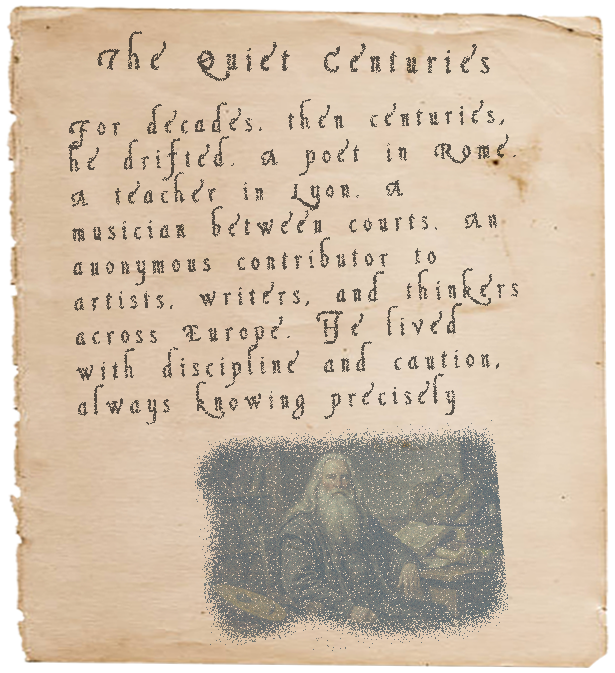
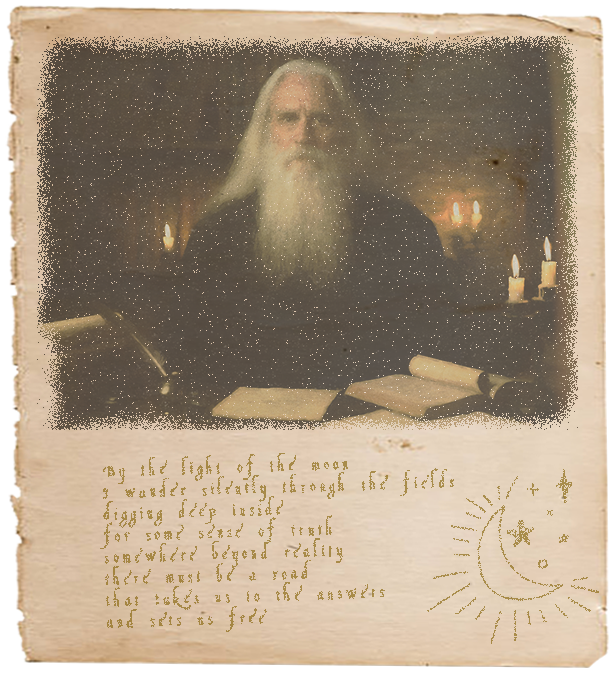
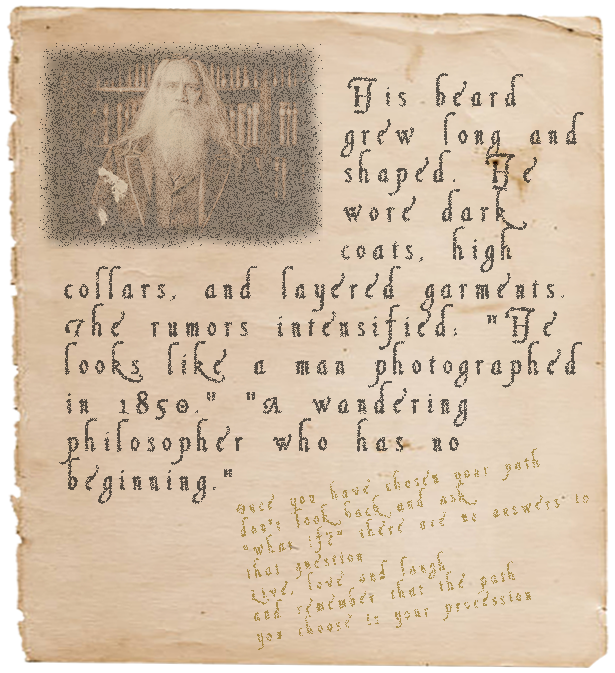
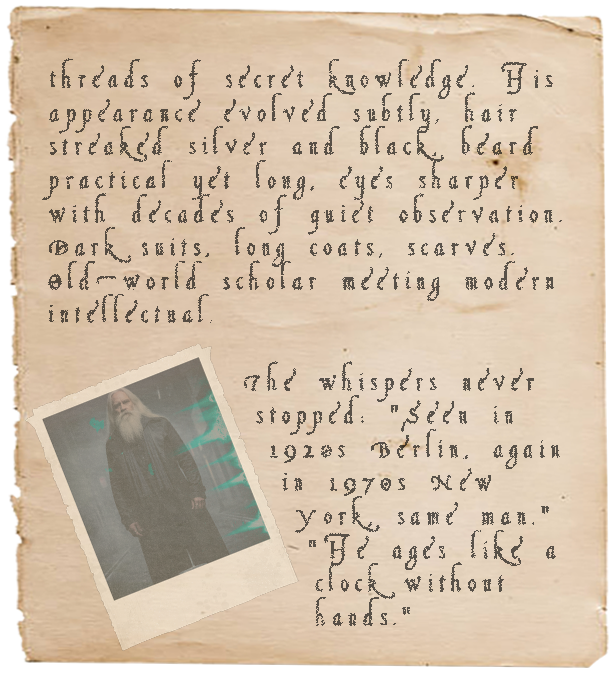
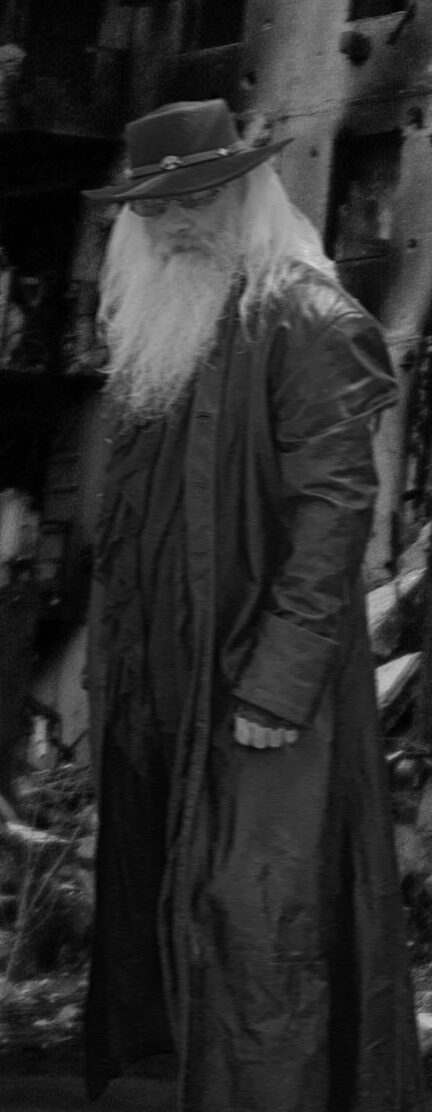
Today GIO emerges as a figure shaped by more than five centuries of wandering, questioning, and refusal. Long grey hair, weathered beard, dark monastic attire. Eyes carrying the calm weight of someone who has watched empires rise and fall and rise again into something only slightly different. There is something in his presence that lingers without explanation, a subtle wrongness, a patience in the way he moves that feels older than it should.
His music reflects the vastness he carries: atmospheric guitars and sweeping minor-key melodies, cold pulsing rhythms, imagery pulled from dusty apocalyptic landscapes and the haunted romanticism of the Gothic tradition. Onstage he appears as a prophet from a past that never truly ended, a wanderer draped in memory, grit, and the last embers of lost faiths.
“A man carrying the ghost of history.” “A voice that has survived a thousand winters.” “Someone who shouldn’t look as young as he does, yet somehow is ancient.”
His lyrics wrestle with everything he has witnessed: belief systems rising and crumbling, the corruption of power, the fragile machinery of human desire, and the quiet persistent pull of something older than modern light can wash away.
He does not preach. He questions. Always.
When asked where he is really from, GIO smiles faintly: “Farther than you think. Closer than you’d guess.”