
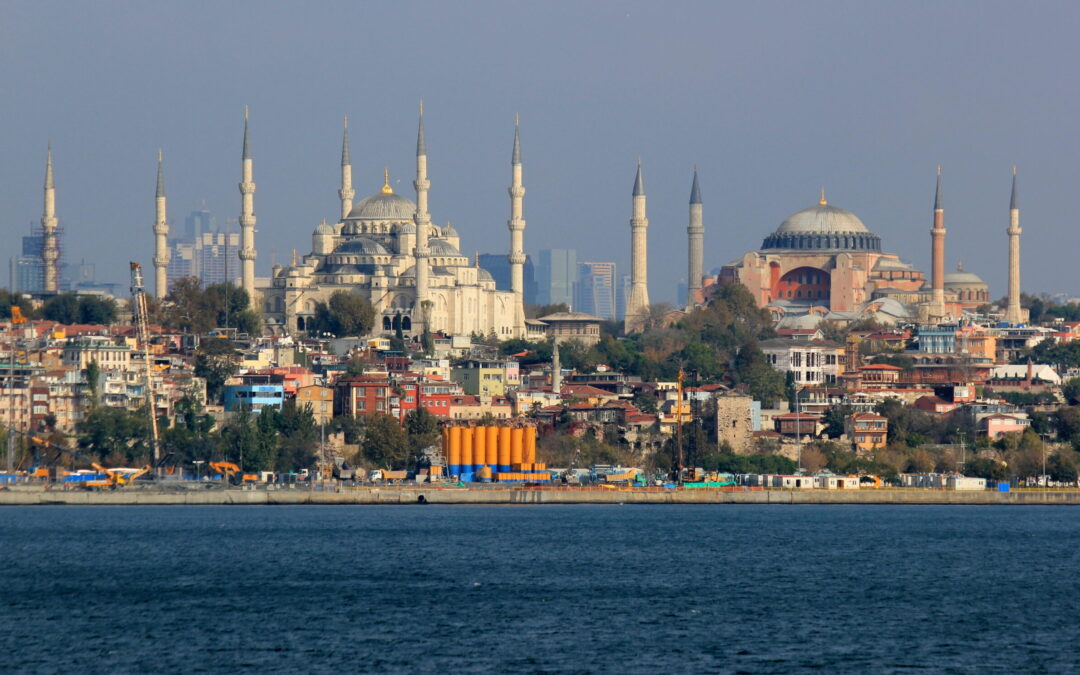
Damascus, May 1497
I have been sitting with scholars at the Umayyad Mosque for two weeks now. The conversations are conducted in a mixture of Arabic, which I have been learning since Constantinople, and a Latin that several of the scholars know as a courtesy to their foreign guest. We are discussing Aristotle, who has been better preserved here than in the West for most of the past millennium. This is not a small irony.
What strikes me most about the Islamic scholarly tradition, from the inside of it, is how different the relationship to doubt is. In the Church I was raised under, doubt was the enemy of faith, something to be suppressed and if necessary punished. Here, among these men, a certain kind of rigorous questioning is considered an act of devotion rather than rebellion. The mind properly engaged with the complexity of creation honors creation. The mind that simply accepts is not honoring anything, only obeying.
I find this distinction remarkable, which tells you something about what the last fifteen years in Florence did to my understanding of what religion requires. Rinaldo called me damned for reading books that asked hard questions. These men would call that same reading an obligation.
I am not converting to anything. I have seen too many traditions from the inside to believe the container is what matters. What matters is the quality of the questioning. Here the questioning is precise and sustained and conducted without contempt for the questioner. That is rarer than it should be. I am going to stay another month.