
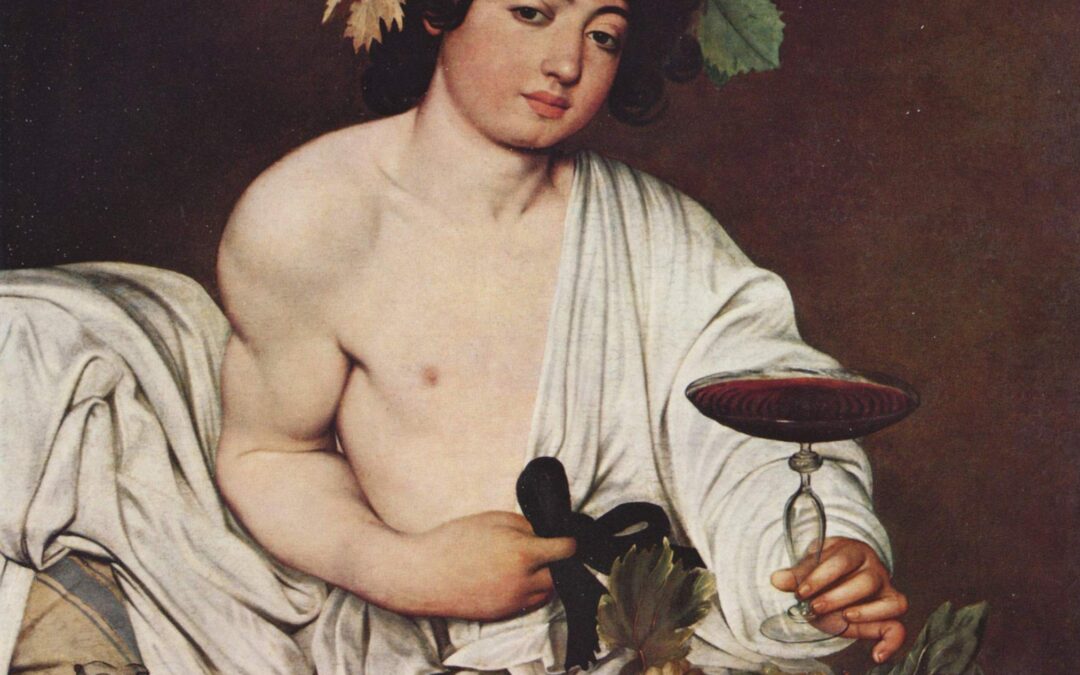
Rome, autumn 1605
Michelangelo Merisi da Caravaggio is in serious trouble with the law again, which means he is also, at this particular moment, producing some of the most extraordinary paintings Rome has seen in fifty years. These two things are not unrelated. The same capacity for unregulated intensity that produces the paintings produces the violence. He cannot do things by half measure.
I was in his workshop this morning, brought by a mutual patron. I watched him work for an hour before he acknowledged I was in the room. He works as though the painting has already existed and he is only uncovering it, and the uncovering is a matter of physical will as much as technical skill.
What he is doing with light in this period is unprecedented in my experience, which is a meaningful statement from someone who was in Florence when Leonardo was in Verrocchio’s workshop. The shadow that falls across the face of his biblical figures is not decorative. It is structural. It tells you something true about the relationship between revelation and darkness, how the moment of seeing is always also the moment of shadow, how you cannot have one without the other.
He is thirty-four years old. He is already living as though Rome will not contain him much longer, and Rome will not. He will be in Malta in two years, then Sicily, then Naples, and dead at thirty-eight under circumstances that remain unclear. The paintings are already a farewell. I am buying one of the small studies before I leave the city.