
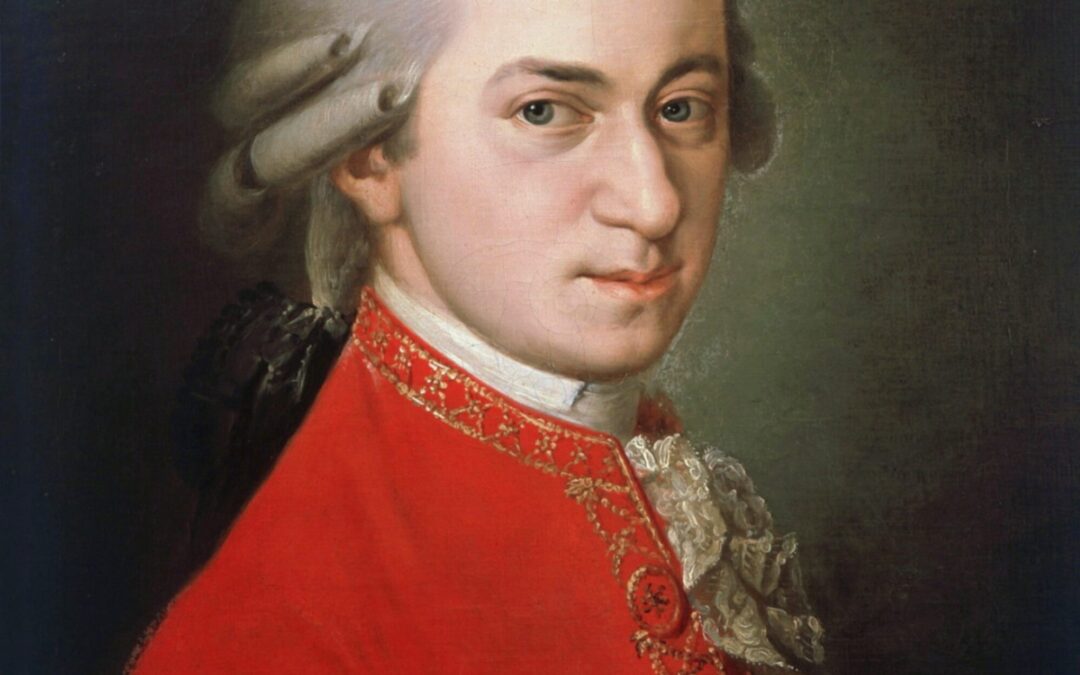
Vienna, December 5, 1791
Wolfgang Mozart died this morning at one in the morning. He was thirty-five years old. The official cause is rheumatic fever. I have no reason to doubt this. I have every reason to find the timing devastating in the particular way I find it devastating when something I predicted precisely comes to pass, because predicting it accurately did not make it preventable and does not make it bearable.
I met him in 1783 through a salon on the Herrengasse. I recognized immediately what I was looking at: an intelligence that could not regulate itself to the speed of ordinary survival, burning at the temperature that produces extraordinary work and also, reliably, an early death. I was right. I am always right about this kind of thing by now. I wish I were not.
He left behind the Requiem unfinished. His student Sussmayr will complete it. The completed version will be performed in the coming months and it will be extraordinary and it will always be incomplete because the mind that conceived it stopped in the middle of it. This is what I cannot make peace with: not the death, which is ordinary, but the incompletion, which is not.
Salieri is still alive. He will outlive Mozart by thirty-four years. History will not be kind to him for this, which is a precise illustration of how history works: in the direction of the most dramatic narrative rather than the most accurate one. I walked along the canal until the morning light came. There did not seem to be a point in going to bed.