
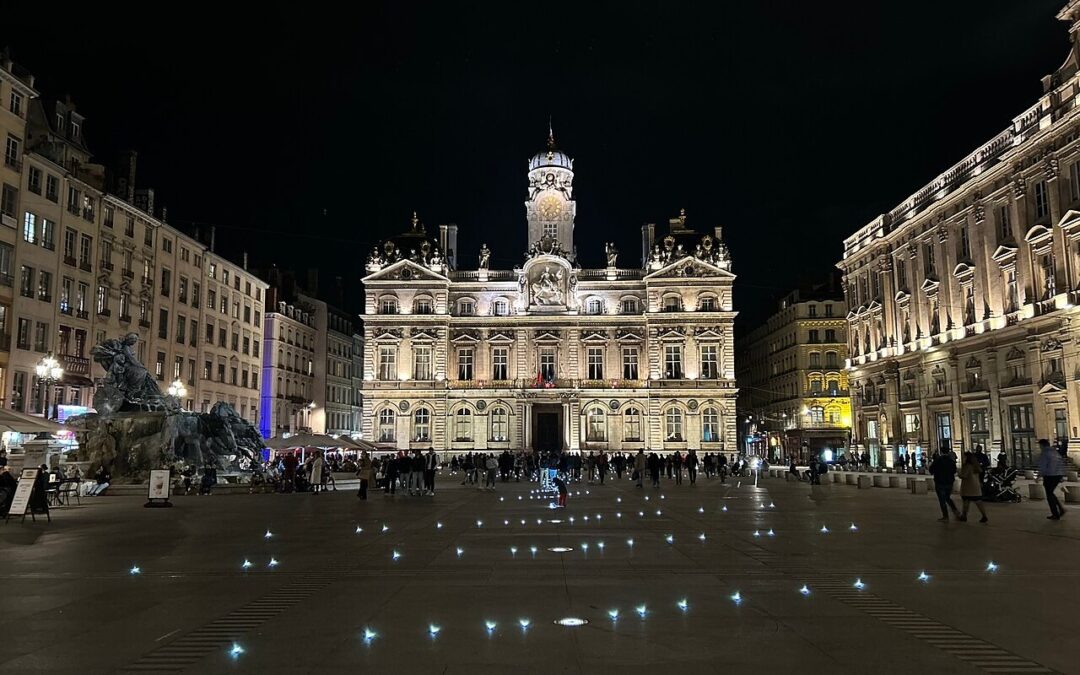
Lyon, autumn 1836
I was handed a French literary journal by a bookseller near the Place des Terreaux who knows my taste in dark and unusual fiction. He said, without elaboration: this one is different. He has been saying this to me for twenty years and has been right perhaps twice. This is the third time he has been right.
The story is called Morella. It is by an American writer named Edgar Allan Poe, of whom I have heard nothing until this moment. It concerns a scholar and his wife who is dying, and the wife’s insistence that the soul does not end with the body, and what happens afterward, when the wife’s daughter is born and grows and the scholar begins to see in the daughter’s face something he recognizes from somewhere else.
I read it twice in the bookseller’s shop. I did not purchase the journal immediately because I needed to stand in the street for several minutes first and reacquaint myself with the ordinary world. I went back and bought it. I have read the story four more times since.
Poe understands something about the persistence of identity that most writers of his century do not approach. His century is very confident about the distinction between the living and the dead, about the finality of the grave, about the self as a thing that ends when the body ends. Morella does not share this confidence. Neither do I. There are various reasons for my lack of confidence on this subject that I will not enumerate here. I intend to find everything else this man has written.