
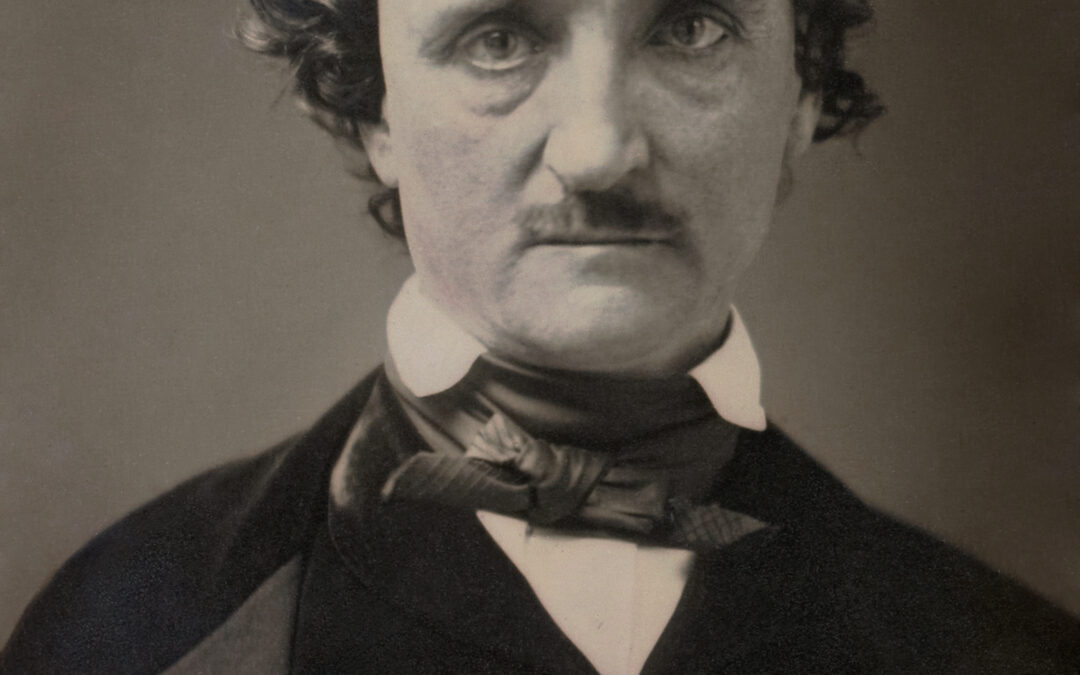
London, October 1849
Edgar Allan Poe died on October 7th in Baltimore at Washington College Hospital. He was forty years old. The cause is listed as phrenitis, which is what his century called brain fever, which is what his century called a range of things it did not understand. He was found delirious on the streets of Baltimore four days earlier, in clothing that was not his own, conscious enough to be brought to the hospital but not coherent enough to explain how he had come to be where he was. No one knows what happened in the days before he was found. This will remain unknown.
I was not in Baltimore. I am rarely where these deaths happen. I am in London. I read the news in a letter from an American contact who knows I follow Poe’s work. I set the letter down and did not pick it up again for two days.
The pattern I have observed over centuries in men who burn at this temperature allows for no other outcome. He was forty years old and had been carrying grief since the beginning: his mother dead before he was three, his foster father’s hostility, his wife Virginia dead two years ago of tuberculosis, the poverty, the drinking of a man trying to quiet something in himself that refused to be quieted.
He produced in that forty years a body of work I will carry for as long as I carry anything. I will find a copy of the 1849 Tales and keep it. I intend to handle it until the pages show it. The dead are not finished. He taught me that more precisely than anyone else. It is the right lesson for a man who knew how to teach it.