
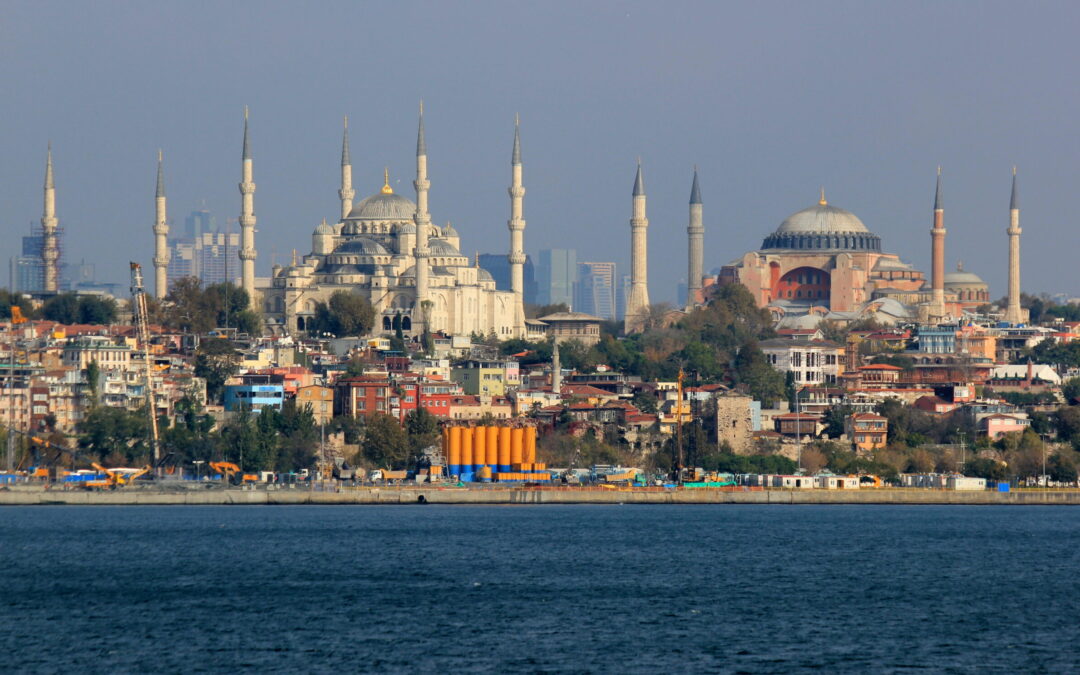
Constantinople, 1490s
I arrived in Constantinople several decades after the fall. The city had been Ottoman for long enough that it had begun to absorb its new identity while still carrying the wounds of the transition, the way a body carries a scar: healed but not forgotten, functional but altered.
What drew me there was the libraries. I had heard from scholars in Florence that texts survived in Constantinople that had been lost elsewhere, or had never reached the West, or had survived specifically because they were hidden by people who understood that the survival of certain kinds of knowledge required exactly this kind of deliberate, unglamorous work: the work of copying and hiding and moving and hiding again.
I spent years in that city working through what remained. What I found in those cellars and forgotten alcoves was not primarily revelatory in the sense of overturning what I thought I knew. What was revelatory was the shape of what was missing: the outline of the books that had burned, visible in the citations and the references and the arguments that assumed knowledge that was no longer anywhere accessible.
Loss has a shape. The absence of a thing is not nothing. I could read the burned libraries in what remained of the ones that had not burned, the way you can read a missing tooth in the shape of a jaw. This is what the album is trying to do with the present moment: map the shape of what is being lost before the loss is complete. The testimony matters most before the burning, not after. May 22.