
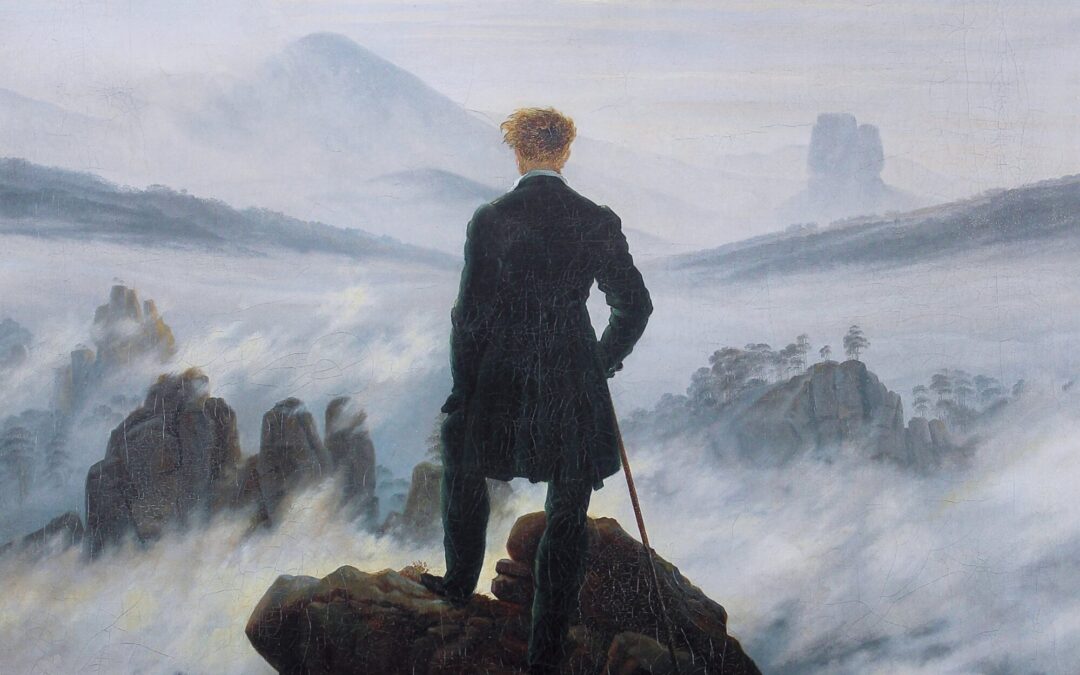
Himalayas, circa 1507
The monks in the high passes had been watching empires longer than I had been alive at the point when I reached them. This is not metaphor: the monastery I am thinking of had records going back centuries before my birth, records of dynasties that had risen and fallen in the plains below them while the monastery remained, suspended between earth and sky, watching.
When I spoke to them about the collapse of the Medici system, about the particular sadness of watching something brilliant and generative fall apart, one of the older monks said something that I have been thinking about for five centuries since. He said: the wheel does not grieve its own turning.
He meant, I think, that the pattern of collapse and renewal is not a tragedy from the perspective of the pattern itself. The tragedy is a function of perspective: if you are inside the thing that is collapsing, it is devastating. If you can see the whole arc, it is simply the wheel turning. The difficult thing is that I have always been both simultaneously: inside enough to feel the devastation, far enough back to see the arc.
What the Himalayas taught me that Florence could not: that endings are not the end. That what collapses is not what matters. What matters is what survives the collapse and what is built from the surviving pieces. The geometry includes both the ruin and the rebirth. The album is about both. May 22.