
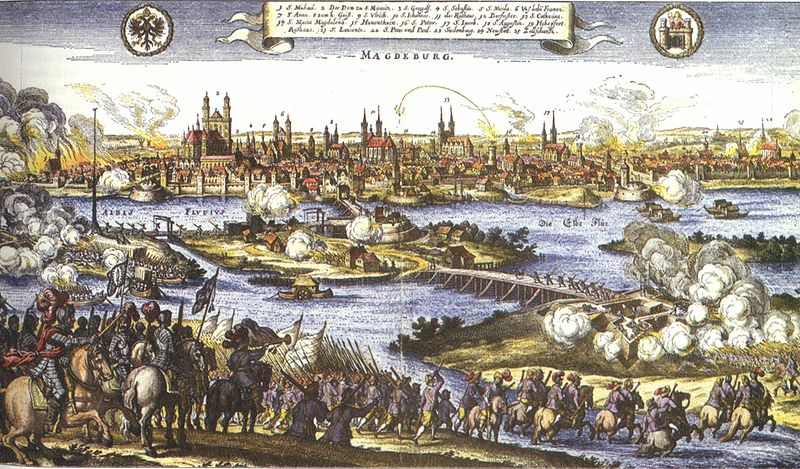
The Rhineland, 1636
The Thirty Years War had been running for eighteen years by the time I was moving through the Rhineland in the winter of 1636. A third of the German population was dead or had fled or was in the process of dying. I have seen other wars. This one had a specific quality that distinguished it: the absolute conviction, on every side of the conflict, that God had not merely approved but required the killing.
Both the Catholic Imperial forces and the Protestant alliances had elaborate theological justifications for what they were doing. Both had clergy performing the blessing of armies before engagements. Both had populations trained by their respective institutions to understand the war not as a political or economic conflict, which it also was, but as a cosmic one: a war for heaven’s preferences on earth.
I moved through it carrying manuscripts and occasionally people across lines that were supposed to be impassable. I did this not because I had a plan or because I believed it would be sufficient. I did it because it was the only available action and inaction was not tolerable. I was not good at it in any heroic sense. I was persistent and patient and I had enough time to build the small networks that made persistence occasionally useful.
What I carried across those lines: books, mostly. Documents. The occasional family. The knowledge that the conflict would eventually end, as all conflicts end, and that when it ended the people on the surviving side would need the intellectual inheritance that was currently being burned by both sides with equal enthusiasm. This is what Sanctified Hunger is about. Not the theology. The burning.