
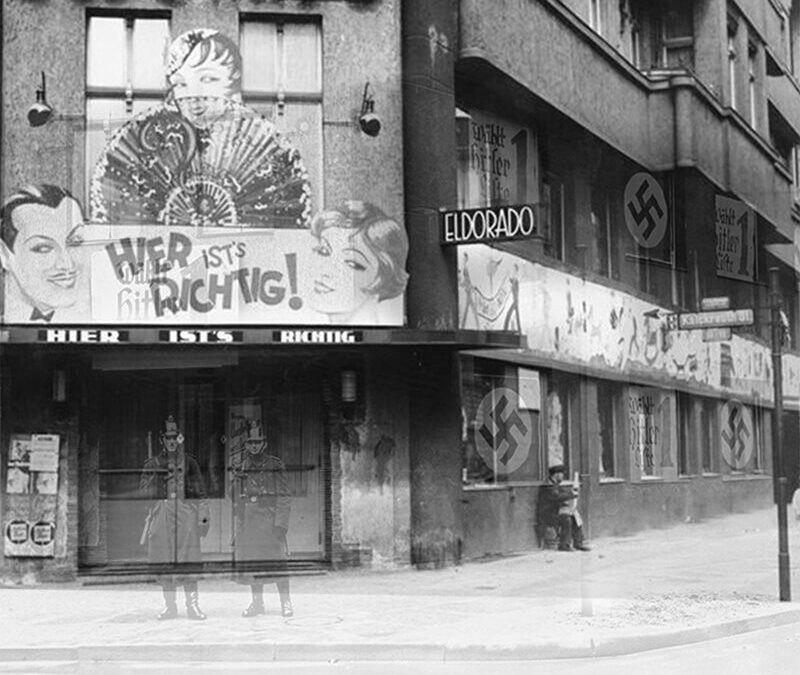
Berlin, 1927
I was in Berlin in the late 1920s. I want to record what it felt like from the inside, because I think the texture of it is relevant to the present moment and I have not found a way to describe it precisely in any of the forms I have used for documentation.
The cabarets were genuinely extraordinary. The art was genuinely extraordinary. The intellectual life of the city was producing things that would matter for the rest of the century: psychoanalysis, the Bauhaus, the beginnings of what would become critical theory, experimental theater, cabaret performance that was simultaneously entertainment and political analysis. There was a quality of urgency to the creativity that I recognized from other periods and other cities: Florence before the fall, Paris before 1789. The urgency was produced by the same thing in each case: a felt sense, not always conscious, that the time available was limited.
By 1933 the silence had arrived. The underground clubs were closed. The artists were gone: fled, imprisoned, dead. The songs I had heard performed in those rooms were illegal. The silence was not the absence of sound. The streets were full of sound. The silence was the specific absence of the sound that had been there before, the sound that had known what was coming and had been saying so in the only language available to it.
I remember the songs. I remember the silence that followed. The geometry is familiar. May 22.