
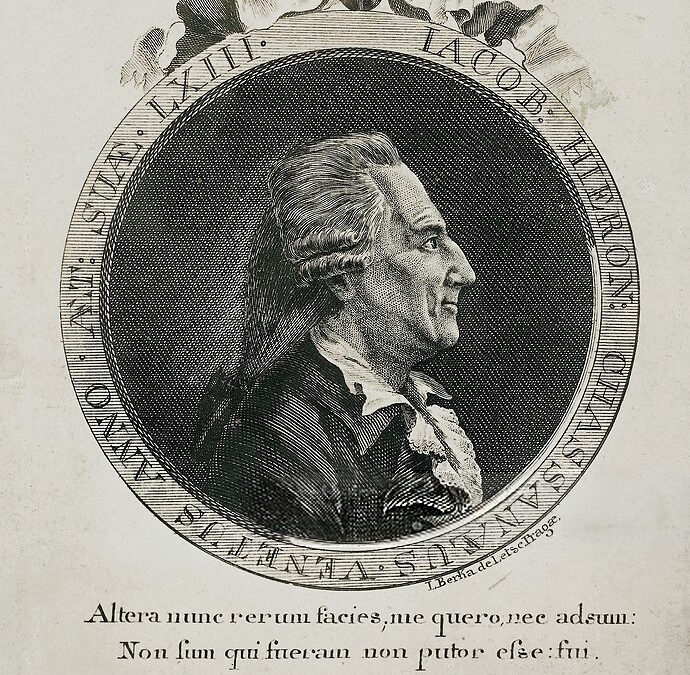
Venice, spring 1785
Giacomo Casanova is in his sixties now and has been recounting his life in what he calls his memoirs with a commitment to theatrical self-presentation that I find both admirable and exhausting. He has included a version of a conversation we had last Thursday in a letter to a friend in Paris. I have seen the letter. His version is not quite what was said.
We were discussing time. He asked, in the way that aging men sometimes ask, whether I envied the young their youth. I said that youth was not the relevant variable. He asked what was. I told him: accumulation. The relationship a person has to what they have seen and not been able to unsee. He nodded as though this were a clever turn of phrase and moved on to something else.
In his letter he has recorded me as saying that the only thing worth envying is the ability to forget. I said no such thing. I said the opposite of that thing. But this is how memory works, even in men who pride themselves on its precision: it shapes the incoming signal to fit the waiting category. He expected wisdom about forgetting, so forgetting is what he heard.
I am sixty-seven years old by the calendar and look somewhere between sixty and seventy, which has the advantage of making my age plausible without anyone asking for specifics. Casanova knows I am not an ordinary old man. He does not know what I am. He is not the first person to sense the wrongness in me without being able to name it. He will not be the last.