
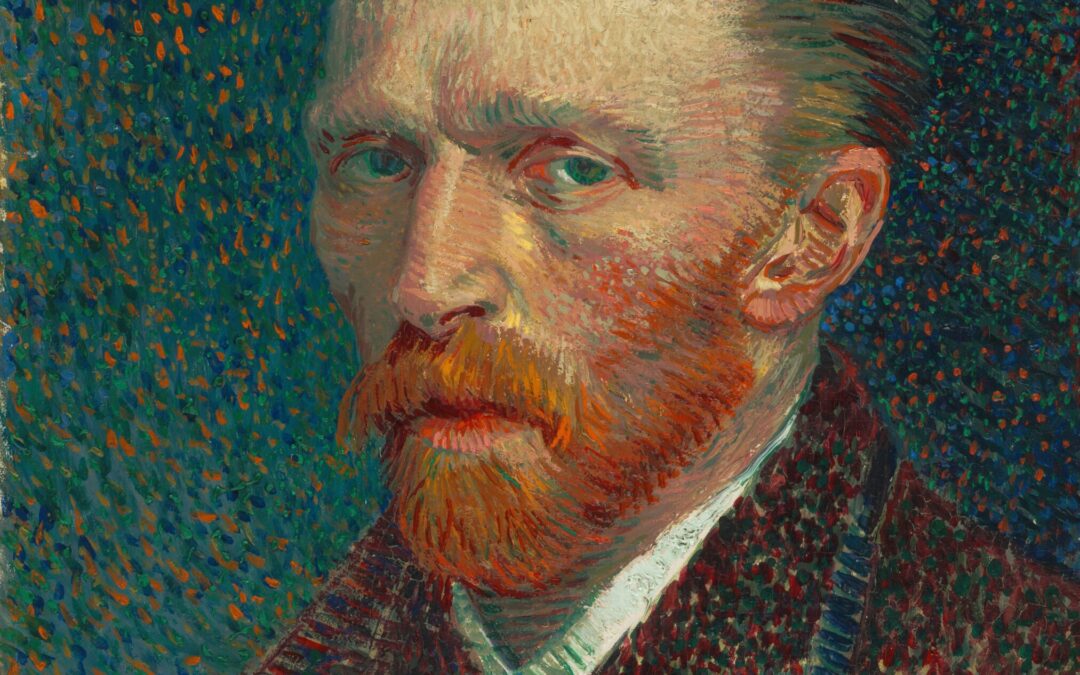
Paris, late July 1890
Vincent van Gogh died three days ago in Auvers-sur-Oise. He shot himself in a wheat field and managed, somehow, to walk back to the inn, and died two days later with his brother Theo at the side of the bed. He was thirty-seven years old. I was not in Auvers. I heard the news in Paris and went immediately to a gallery on the Boulevard Montmartre where there is one of his paintings on the wall, a field under an overcast sky, and I stood in front of it for longer than the proprietor was comfortable with.
He has been dead for three days and already there are people in this city beginning to reconsider him. The obituaries from the provincial papers are being reprinted here with a tone that differs from the dismissal that characterized most coverage when he was alive. This is the pattern I have observed across four centuries of watching genius die and then be recognized: the recognition arrives reliably after the body has been removed from the equation. When the person is gone, the work can be evaluated without the complication of the person’s continued presence.
We sat together for two hours in a cafe in Arles in 1888. He drew on the tablecloth. I still have the piece of tablecloth. He talked about the cypresses as though they were alive in a way that other trees were not. He was right about the cypresses. He was right about most things he said about what he saw when he looked at the visible world. The world required his death to be able to hear this. I find this arrangement as unsatisfactory now as I found it when Raphael died at thirty-seven and the city mourned what it had withheld while he was painting.