
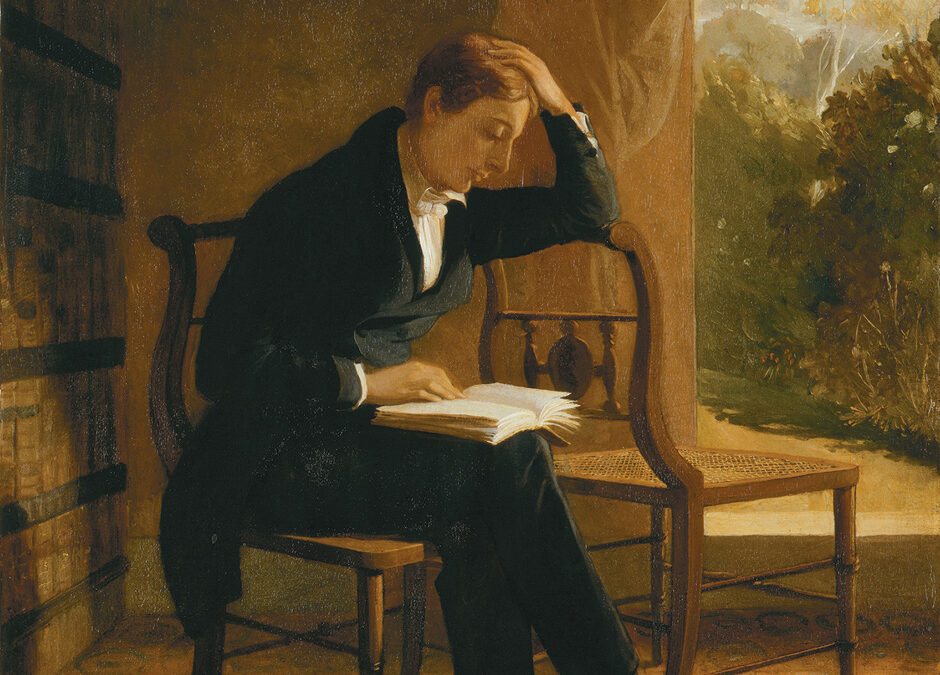
Rome, September 1820
John Keats arrived in Rome last week from England, accompanied by his friend Joseph Severn the painter. He has come for the climate, his physicians having decided that the warmer Italian air might slow the tuberculosis that has been progressing since last winter. This is the kind of medical reasoning that has a certain logic and does not work.
I saw him from a distance on the Spanish Steps, where he has taken rooms on the second floor of the house at 26. He is twenty-four years old. He looks considerably older. The illness has done what illness does to the very young: it has added a weight to the face that the years alone have not yet had time to place there, a kind of knowledge ahead of schedule.
He sat on the steps in the afternoon light and wrote something in a small notebook. I watched from across the piazza. I did not introduce myself. I have learned, over a very long time, when proximity is useful and when it is only self-indulgence dressed as service. He does not need a stranger. He needs Severn, and the letters from his friends in England, and the small daily victories over a body that is increasingly not cooperating with his continued existence.
He will produce nothing new here, I think. The consumptive lungs do not allow it. What he will do here is arrive at the end of what he was able to be in the time allotted. That is not nothing. I will be at the grave when the time comes.