
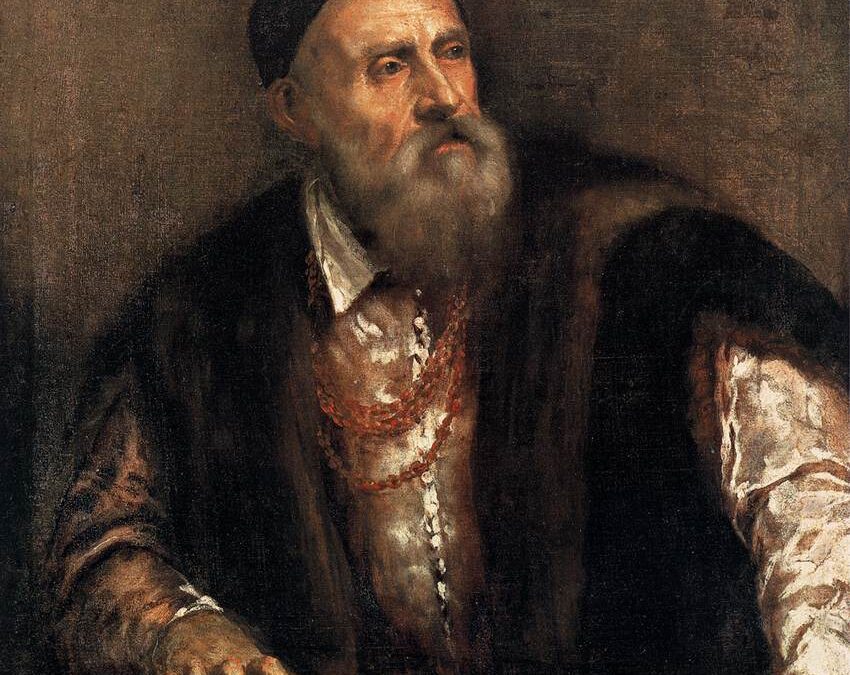
Florence, 1474, and present
Rinaldo was not an evil man in any simple sense. He was a man who had learned, within the institution that raised him, that certain things were his by right of his position: the deference of everyone below him in the hierarchy, the right to name the questions asked by a fifteen year old boy as damnation rather than curiosity.
He was not unusual. I have met thousands of versions of Rinaldo across five centuries, in every tradition and every institutional context. Men and women who acquired within their institutional role a particular kind of hunger: the hunger for the validation that comes from the authority to define what is sacred and what is damned. A hunger that the institution feeds constantly and that therefore never diminishes.
This is what I call sanctified hunger: not the hunger of the genuinely faithful, which is real and which I respect even when I do not share it. The hunger of the institution that has learned to dress its appetite in vestments, to call its accumulation of power devotion, to feed itself on the obedience and resources of the people inside it while calling the feeding a form of worship.
The feast is never satisfied because it is feeding the wrong thing. The hunger grows with every meal. This has been true of every institution of this kind I have watched in operation across five centuries. The name of the album comes from this: the specific, institutional, sanctified hunger that cannot be fed because it was never really about God to begin with.