
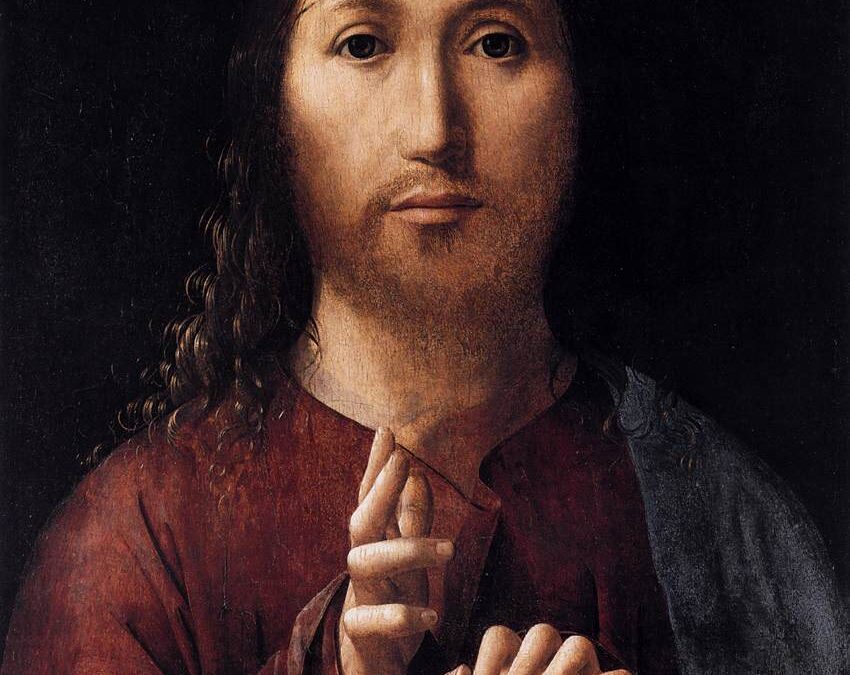
Various, consolidated
I want to say something specific about war, because I have been in enough of them to have a basis for the observation that is not theoretical.
The reasons given for wars change. The configuration of the wars does not change as much as the changing reasons suggest. What I have observed, across conflicts from the 15th century to the present, is that the reasons are always adequate to justify what is done and always available in quantity sufficient to meet the demand for justification. The supply of reasons for violence is, in my experience, effectively unlimited. The demand is reliably met.
What actually produces wars, in my observation, is not the reasons. The reasons are produced after the fact, or constructed in parallel with the decision, to supply the justification that the action requires. What actually produces wars is a configuration of conditions: fear, resource competition, the specific kind of political pressure that requires an external enemy to redirect internal discontent, and the availability of an enemy who can be convincingly cast in the required role.
The wheel repeats because the conditions that produce it recur with reliable frequency. The geometry of violence is circular not because human beings are uniquely violent but because the conditions that produce violence are structural features of how human societies organize themselves, and those structural features have not been substantially altered in the time I have been observing them. I am not resigned to this. I am describing it. The description is not the same as acceptance. The Geometry of Ruin. May 22.