
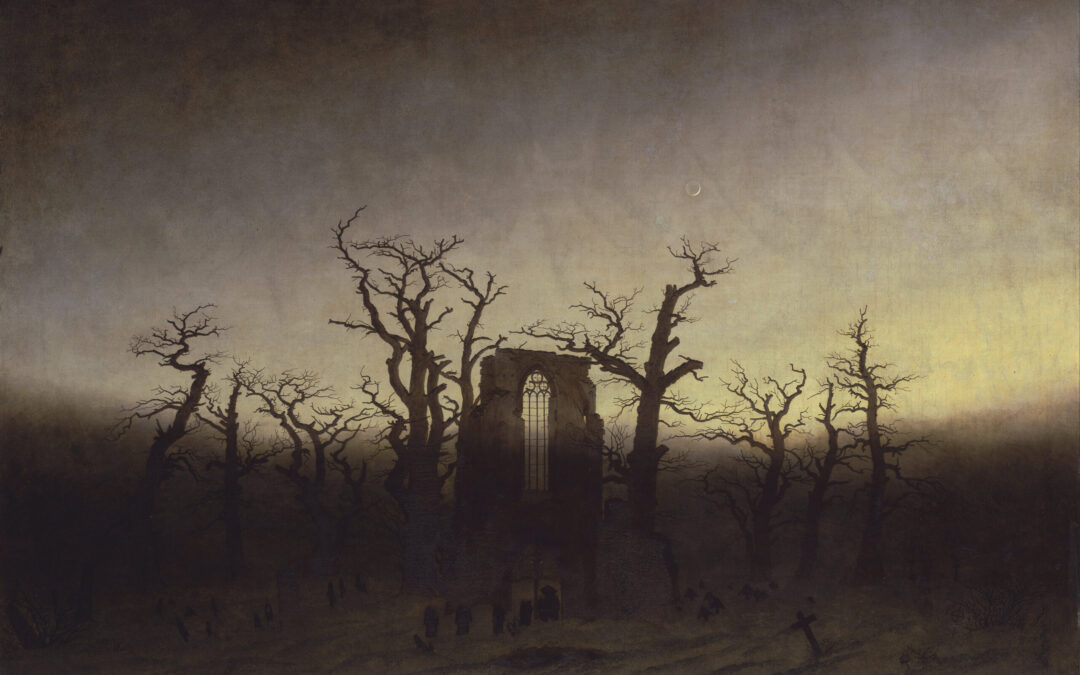
Florence, various years
I grew up, in the sense that my intellectual formation happened, in a city that was organized around the belief that the natural and the human were in productive relationship. The orchards outside Florence’s walls fed the city. The Arno provided water and trade. The relationship between the land and the people who lived on it was visible and legible: cause and effect were close enough together that the consequences of actions were apparent within a human lifetime.
I have returned to Florence many times across five centuries. Each return has revealed the same basic trajectory: the distance between cause and effect growing, the consequences of actions on the natural world becoming visible only across timescales that human institutional memory struggles to hold. The orchards became factories. The river became a mechanism of industrial production. The birds, which I remember from my earliest memories in that city, became progressively less numerous across the centuries until their absence is now the baseline condition that people born in this era do not even notice because they have no reference point for what was there before.
When the land stops speaking, the geometry accelerates. I have watched this specific condition precede collapse in enough different contexts to treat it as a reliable indicator rather than a coincidence. The silence of the natural world is not background noise. It is signal. The Orchard Sleeps is on the album for this reason: the silence is the testimony. May 22.