
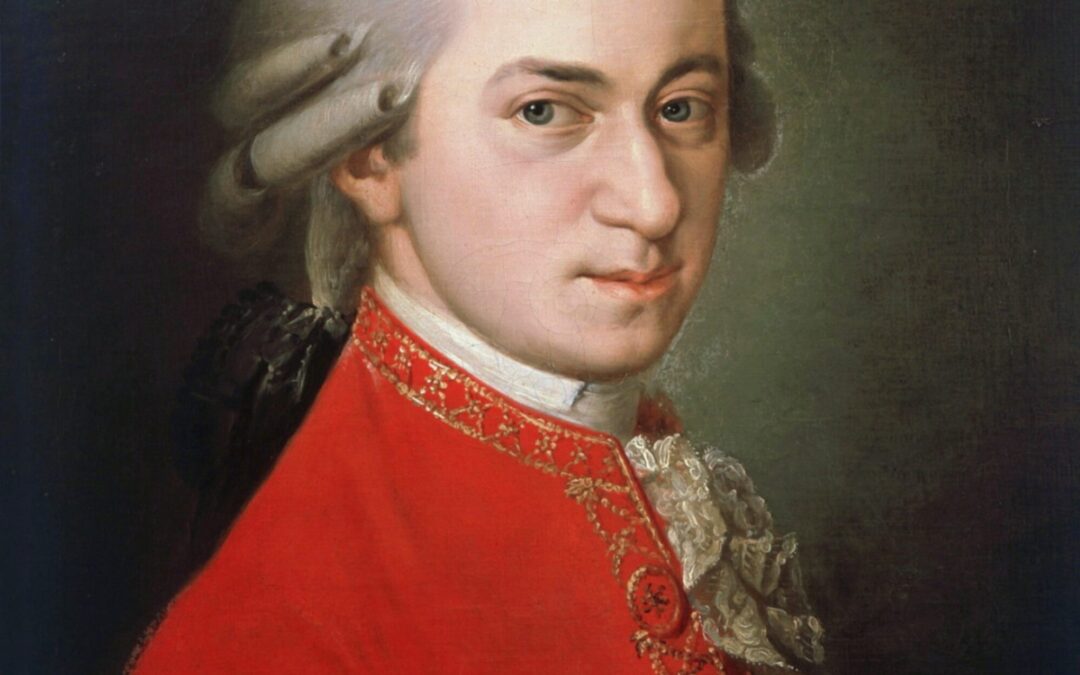
Vienna, autumn 1783
I met Wolfgang Mozart through a salon on the Herrengasse last week. He is twenty-seven years old and composing at a rate that suggests he is working against a deadline he has not been told about but can feel. I recognized this quality immediately. I have seen it before. It does not usually lead to a long life.
I knew Salieri before I knew Mozart, which is the opposite of how history will eventually frame that relationship. Salieri is precisely what Salieri is: a gifted, hardworking, politically intelligent musician who understands the machinery of court patronage better than almost anyone in Vienna. He has the misfortune of being alive at the same time as Mozart. This is not a moral failure. It is a condition of his particular historical moment.
Mozart at a dinner table is simultaneously irresistible and exhausting. He says what he thinks at a speed that leaves most people three sentences behind. He is not performing intelligence. He is simply unable to regulate it to a speed that allows for comfortable social exchange. I have met people like this before. They tend to produce remarkable work and die young.
I will attend his concerts. I will watch from a careful distance. I know how this story ends, though I do not yet know the precise date. I know it by the speed of the burning. That kind of speed does not sustain. It produces something extraordinary and then it consumes itself. I find him irresistible. I find him devastating to contemplate.