
Amsterdam, March 22, 1638
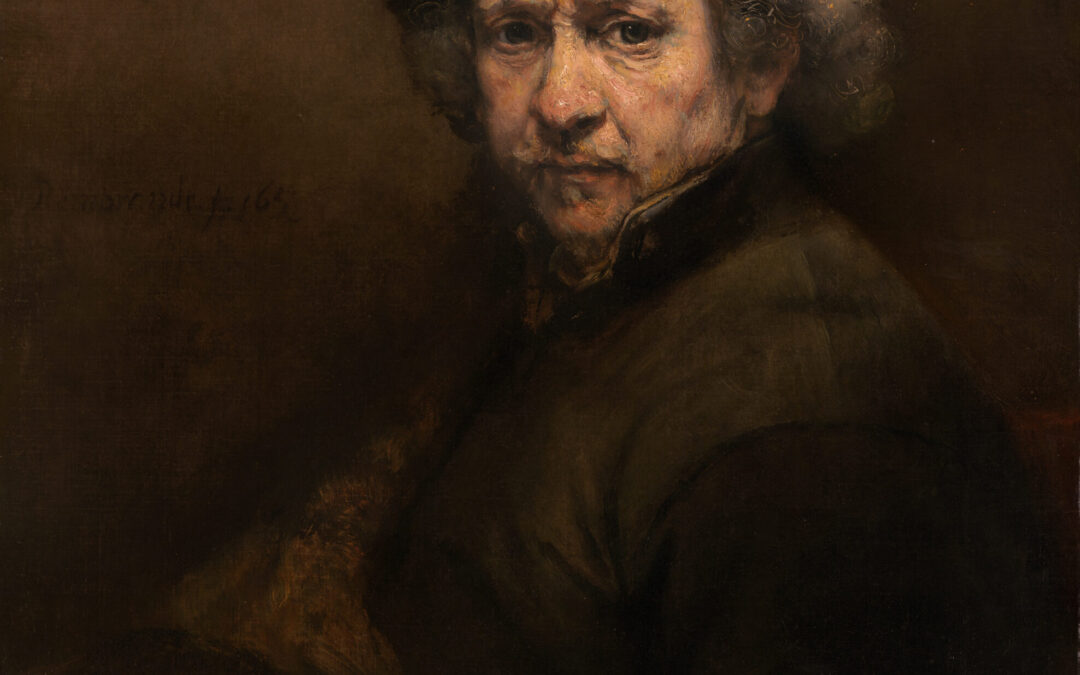
Rembrandt van Rijn is thirty-two years old and already painting himself with the attention most men reserve for the face of God. I have been to the workshop twice this week, introduced as a scholar and collector from the south, and each time I have stood at the edge of the room and watched him work in a way I have rarely watched anyone work.
He does not flatter. This is the thing that separates him from every other painter I have known since Titian. He looks at his own face in the mirror and paints what is there: the weight, the shadow under the eyes, the soft beginning of jowl. He paints the evidence of time on a face that is still relatively young. What will he make of that face in thirty years, if he lives that long?
I find myself uncomfortable in a way I cannot fully explain. My own face will not change. The grey is locked in, the lines are fixed where they were fixed in 1510 in the high passes of a mountain range I have not returned to. I watch a man document his own aging with unflinching patience and I feel something that is perhaps closest to envy, though I am not accustomed to naming it that.
He saw me looking at the self-portrait on the wall. He did not ask what I thought of it. He said, simply: it is important to keep looking. I agreed. I meant something different by it than he did.