
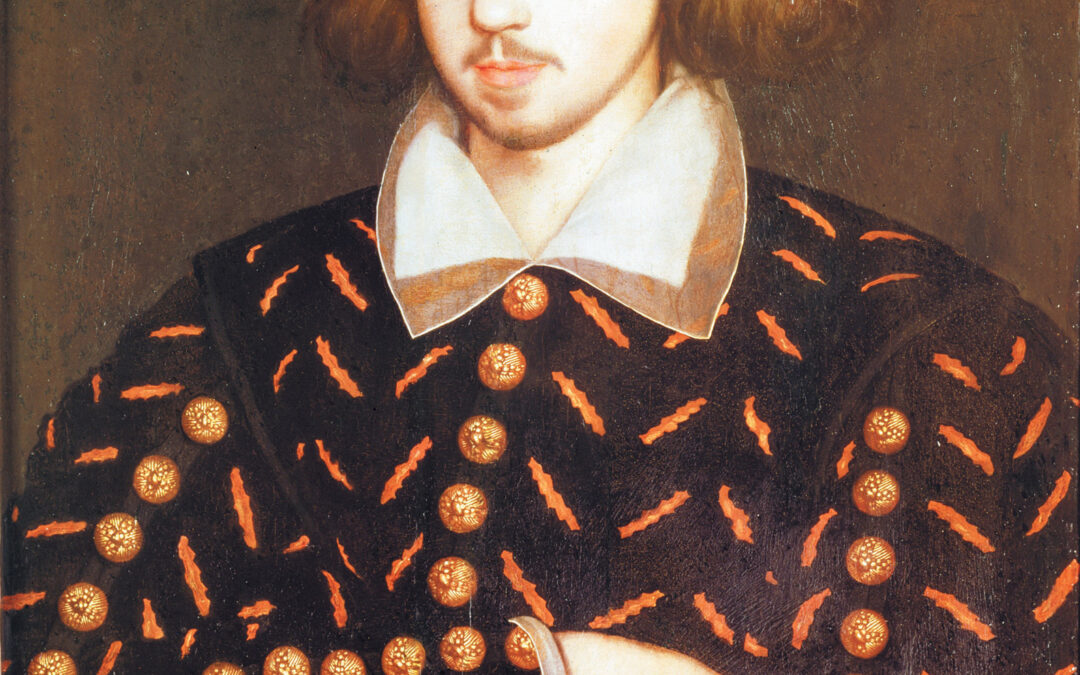
London, May 30, 1593
Christopher Marlowe was stabbed to death in Deptford today, at twenty-nine years old, in a rooming house during a dispute over who would pay the bill for a meal. Or so the inquest will conclude. The inquest’s conclusion is almost certainly incomplete. Marlowe was a government agent, a known atheist, and a man who had spent the past week under investigation for heresy. The men present at the death were all connected to the intelligence network around Thomas Walsingham. The dispute over the bill may be true. It is unlikely to be sufficient.
I have been in London for eight years. Marlowe’s plays have been running at the Rose, and I have seen every one of them. Tamburlaine. Doctor Faustus. Edward II. He was the most technically advanced dramatist working in London and he was twenty-nine. The question of what he would have produced had he lived to forty is the kind of question that does not resolve and cannot, and that I have been asking in various versions for the past century about various people.
What Marlowe understood about power, about ambition, about the man who grasps at something beyond his sanctioned station and is destroyed for it: this understanding went deeper than his contemporaries’, including Shakespeare, who will learn from it and outlive him and produce something broader if not always deeper. The loss is not absolute. Art is a conversation that continues. But the particular voice that Marlowe would have added is now gone, and the conversation is differently shaped for the absence. I have stopped counting what is lost. I have not stopped noting it.